Early Childhood Supports and Services (ECSS)

About The Program
The Early Childhood Supports and Services (ECSS) program offers compassionate, family-centered care for pregnant women and children aged zero to five facing challenges like behavioral issues, trauma, or developmental delays. Through personalized support and evidence-based therapies, ECSS helps families build strong, healthy foundations for lifelong well-being. ECSS is built on the understanding that children develop within the context of their families. From the very first point of contact, a Program Support Specialist or Community Health Worker greets families, explains the program, and ensures caregivers feel heard, supported, and empowered.
Who it serves:
- Children aged 0–5
- Parents and caregivers
- Pregnant women
- Teachers and early childhood educators
- Community members seeking support or resources

Our Approach
ECSS views pregnant women and children within the context of their families. From intake to goal-setting, families are active partners, and caregivers’ strengths, culture, and experiences guide every step. The program addresses barriers that may affect engagement while providing tailored resources and support to promote the well being of pregnant women, childen and their families.
Goals & Benefits
Families participating in ECSS can expect:
- Personalized Family Plans tailored to pregnant woman, childen and their families, highlighting caregiver strengths and cultural values
- Collaborative goal-setting involving caregivers, Behavioral Health Therapists, Community Health Workers, and Program Support Specialists
- Access to licensed clinicians for mental health support
- Resource navigation connecting families to community supports for housing, transportation, health care, and other needs
- Evidence-based therapies like Child-Parent Psychotherapy (CPP) and Parent-Child Interaction Therapy (PCIT)
- Parenting education to strengthen emotional, social, and relational skills
- Support for school readiness and positive early development through a family-centered, strengths-based approach


What sets ECSS apart
- Statewide coverage with a network of local providers
- Collaborative care involving mental health professionals, educators, and community partners
- Holistic, family-centered approach considering child development, family strengths, culture, and lived experiences
- Trauma-informed, culturally sensitive approaches
- Caregivers are active partners in goal-setting and care planning, supported by BH providers, Community Health Workers, and Program Support Specialists
- Addresses family-level barriers such as transportation, housing, employment, and mental health nedds, while connecting families to community resources
- Empowerment-focused: Families actively participate in creating and updating their care plans
- No-cost services for eligible families
Download ECSS Resources
Access brochures and materials about Early Childhood Supports and Services for pregnant women, children ages 0 to 5, parents and caregivers, educators, and community partners.
Meet Your ECSS Providers
.webp)
Arissa W. Grizzle, MSN, APRN, PMHNP-BC
Psychiatric Mental Health Nurse Practitioner
Arissa Williams Grizzle is a Psychiatric Mental Health Nurse Practitioner who brings more than 32 years of comprehensive nursing experience to Southeast Community Health Systems. She earned her Bachelor of Science in Nursing from Grambling State University and later obtained a Master of Science in Nursing Education from The University of Phoenix. To further advance her clinical expertise, she later became a Psychiatric Mental Health Nurse Practitioner with a degree from Frontier Nursing University.
Arissa began her tenure at Southeast Community Health Systems as the Director of Nursing, where she demonstrated exceptional leadership and a deep commitment to patient-centered care. Her diverse nursing background includes higher education, clinical education, emergency medicine, oncology, medical-surgical care, and home health care.
In her current role as a Psychiatric Mental Health Nurse Practitioner, Arissa provides compassionate, evidence-based mental health care to individuals across the lifespan, supporting their emotional well-being and resilience. She is also the site director for the Early Childhood Support and Services (ECSS) program.
A resident of Belle Rose, Arissa enjoys life with her husband, Marc and their six children. She is also a loving “Mimi” to three grandchildren. In her spare time, she enjoys watching sports, especially football—and indulging her interest in true crime stories. She is guided by her faith, family, and her dedication to service. Arissa is also a proud member of the Delta Sigma Theta Sorority, Inc.
.png)
Daniel Waldman
ECSS Medical Director
Daniel Waldman, MD, is a child and adolescent psychiatrist with specialized training in the assessment and treatment of infants. He brings extensive experience leading interdisciplinary treatment teams to provide compassionate and comprehensive evidence based care to patients and families.
Dr. Waldman attended Tulane School of Medicine and completed his general psychiatry residency and his child and adolescent psychiatry fellowship at LSU Health New Orleans. He went on to serve as the training director of the Child and Adolescent Psychiatry Fellowship Program at LSU Health in New Orleans. Dr. Waldman previously led the consult-liaison service at Children’s Hospital New Orleans, working with medically ill children and their families. Outside of his outpatient clinical practice, Dr. Waldman consults with pediatricians across the state to expand access to pediatric mental health care. He is an active member of the American Academy of Child and Adolescent Psychiatry.

Kristy Beavers
Mental Health Therapist
Kristy Beavers, LPC, is a Mental Health Therapist with Louisiana Early Childhood Support and Services, where she provides compassionate, evidence-based care to young children and their families.
With more than a decade of experience in family therapy and crisis intervention, she specializes in supporting at-risk youth, promoting family stability, and developing individualized treatment plans that foster long-term growth and well-being.
Kristy holds a Master’s in Education and a Bachelor’s in Psychology from Southeastern Louisiana University and is recognized for her strong communication, collaboration, and organizational skills.
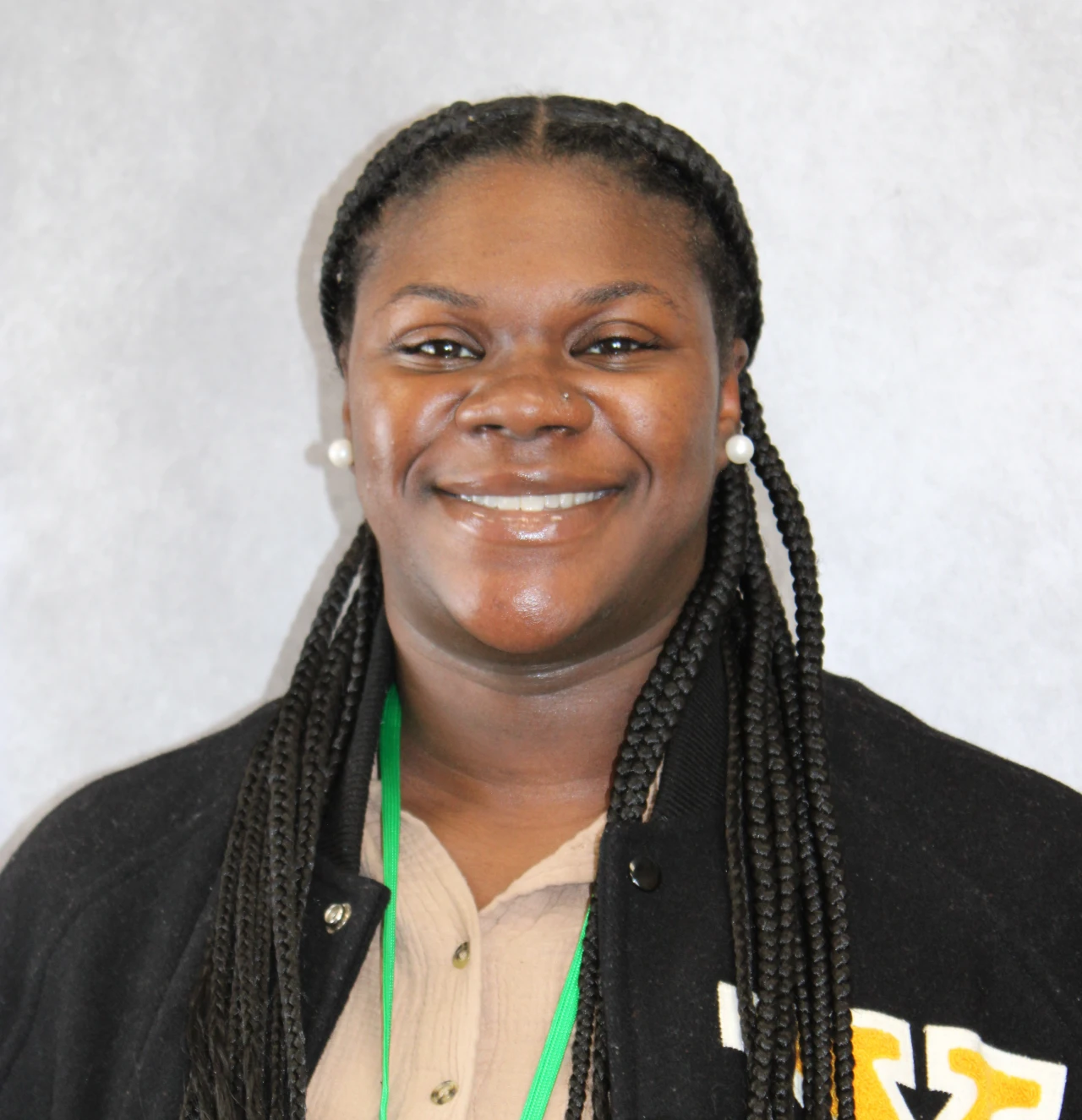
Ireyon Keith
Community Health and Resource Navigator
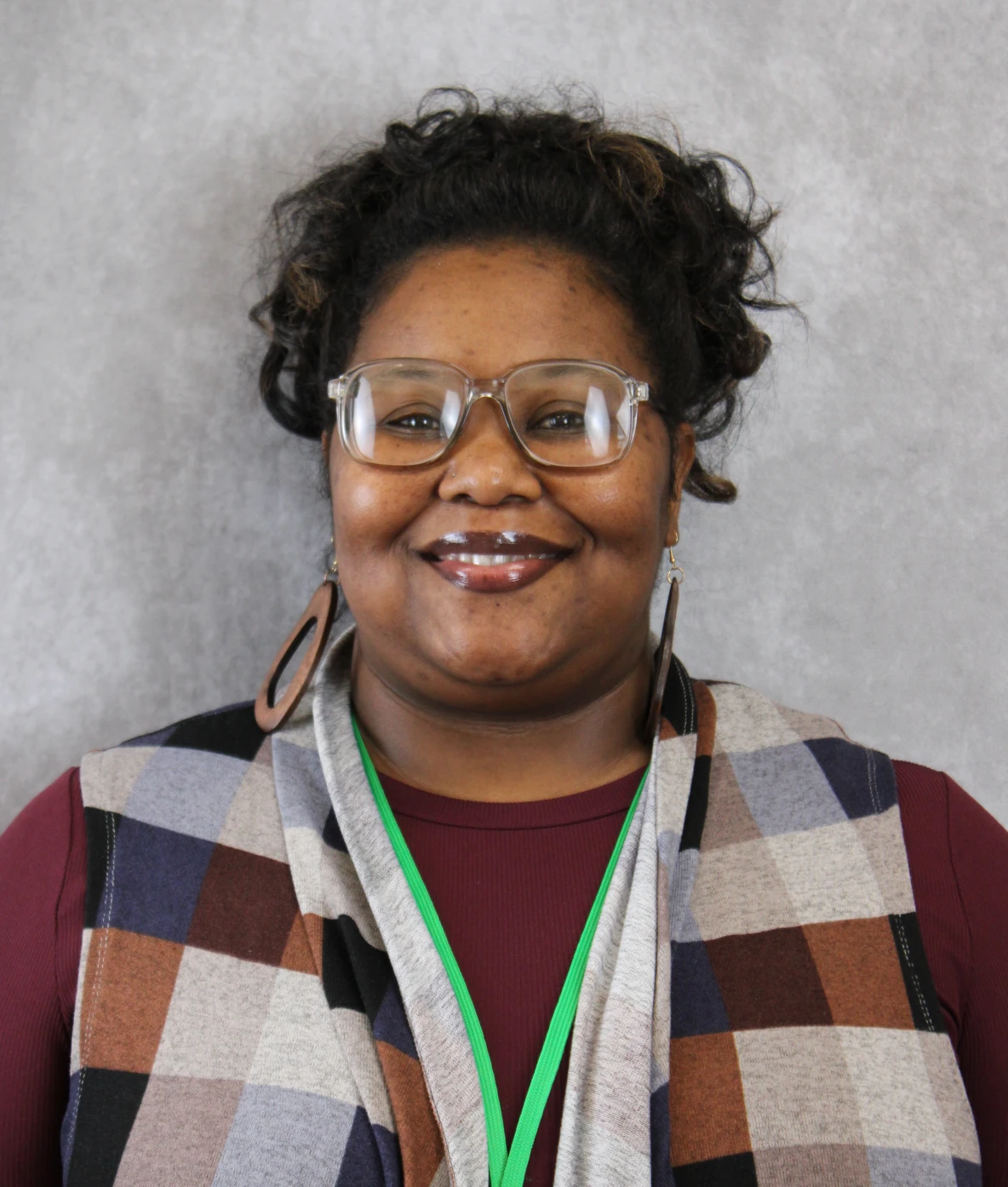
Keona Smith
Program Support Specialist
How to Refer
Effective immediately, referrals to the ECSS Program can be made as follows:
Phone: 225-612-3923
Email: kesmith@shchc.org
Referral process:
- Teachers, childcare providers, or healthcare professionals can refer children.
- Submit a referral by phone
- Families can also self-refer. Participation is voluntary, and caregiver involvement from the first contact is central to developing a personalized plan.
Cost:
- Medicaid accepted where applicable.
- Sliding scale options may be available if additional services are needed.
Confidentiality:
- Our team follows state and federal privacy regulations to keep your family’s information secure.

Support for Parents/Caregivers
Tips & Strategies:
- Emotional Support: Spend regular one-on-one time with your child, listen actively, and validate their feelings.
- Early Intervention: Seek help promptly if you notice delays in speech, social interaction, or emotional regulation.
- Recognizing Signs: Watch for frequent tantrums, difficulty calming down, trouble connecting with peers, or sudden changes in behavior. Early attention can make a big difference.
- Caregiver Engagement: You are an active partner in your child’s care, collaborating with Behavioral Health Therapists, Community Health Workers, and Program Support Specialists to set goals and make decisions.
- Strengths and Culture: Your family’s strengths, values, and lived experiences guide all planning and support strategies.
- Resource Support: ECSS staff can help you access community resources and navigate barriers such as housing, transportation, employment, or mental health needs to support your family’s well-being.
Frequently Asked Questions
No, children can be referred for support even without a formal diagnosis.
Eligibility is generally based on residency; contact us to discuss exceptions.
Yes, eligible families receive services at no cost. Call to see if your family is eligible.
Duration depends on your child’s needs and family goals; we create individualized plans together.
Yes, referrals are welcome from any trusted adult, but families can also self-refer.
In Partnership with
